
Reconstruction of buildings in the area of Bratislava Castle
The implementation was completed in 2021
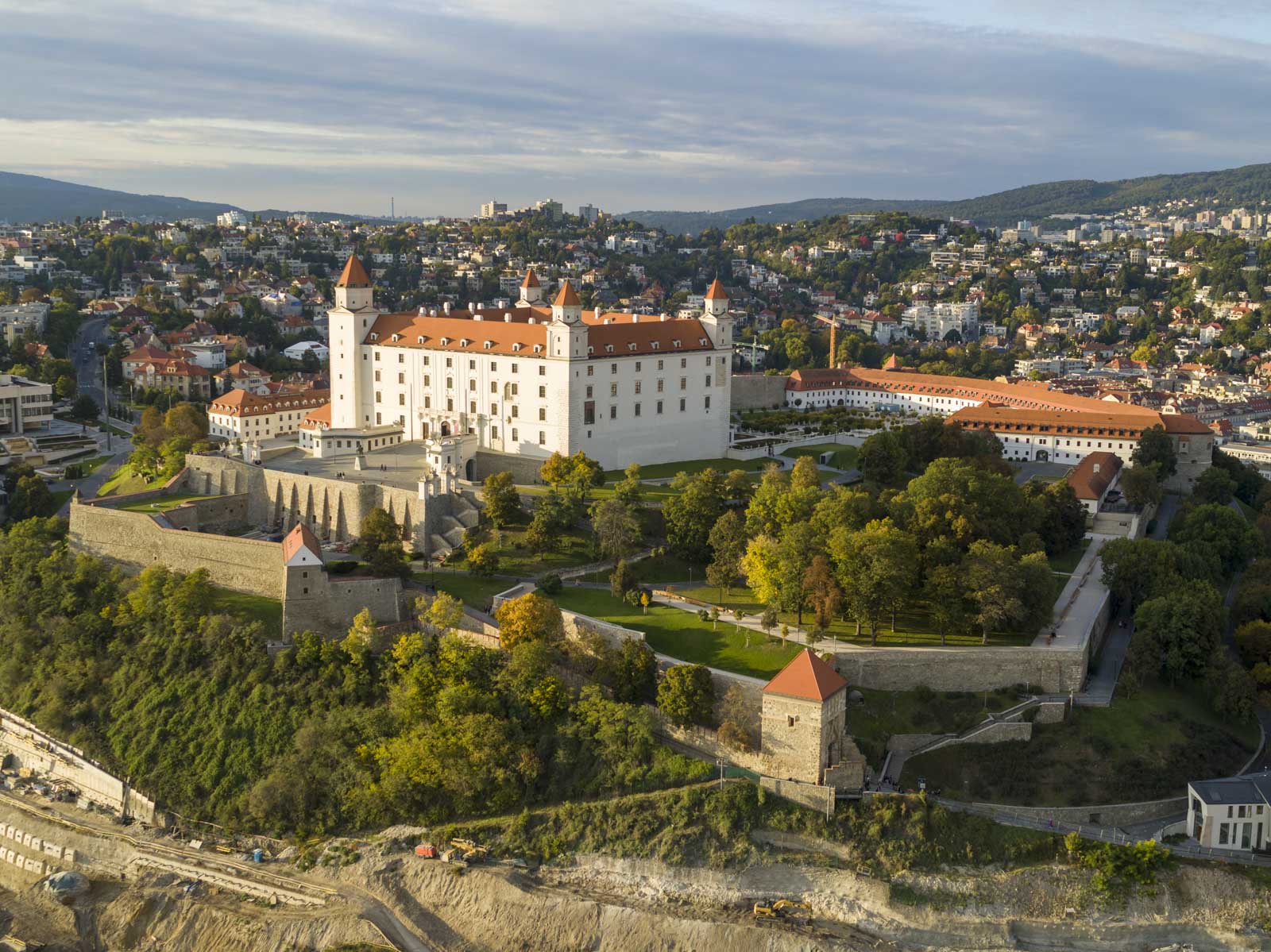
The reconstruction of Bratislava Castle began in the mid-1950s. In the meantime, the significance and use of the castle has changed several times as the position of Bratislava, and the Slovak Republic has changed. Gradually, the architectural approach also changed with regard to the newly acquired information about the castle’s history.
In 2001, a proposal was approved for a comprehensive renovation of the castle palace, which should serve both the National Council of the Slovak Republic and the Slovak National Museum in the future. However, due to various delays and postponements, we did not start the reconstruction until 2008.
Objectives of the reconstruction
The project of restoration of the whole area has several goals. In particular, it is completing a decade-long reconstruction to bring all parts and objects into a satisfactory construction and technical condition. However, the emphasis is on sensitive restoration, which will take into account all available information about the castle and the latest research findings. The castle should thus reflect its historical appearance and individual stages of development, for example, by restoring extinct or partially preserved fragments of buildings or various building elements.
As the goal is to attract more visitors to the area, we must constantly look for a balance between historical legacy and functionality during the reconstruction. For example, with its newly built multi-functional halls, the Winter Riding Hall should offer a modern space for year-round cultural and social events. In the same way, there should be a permanent summer scene in Leopold’s Yard.
The course of the reconstruction
The building on the northern walls
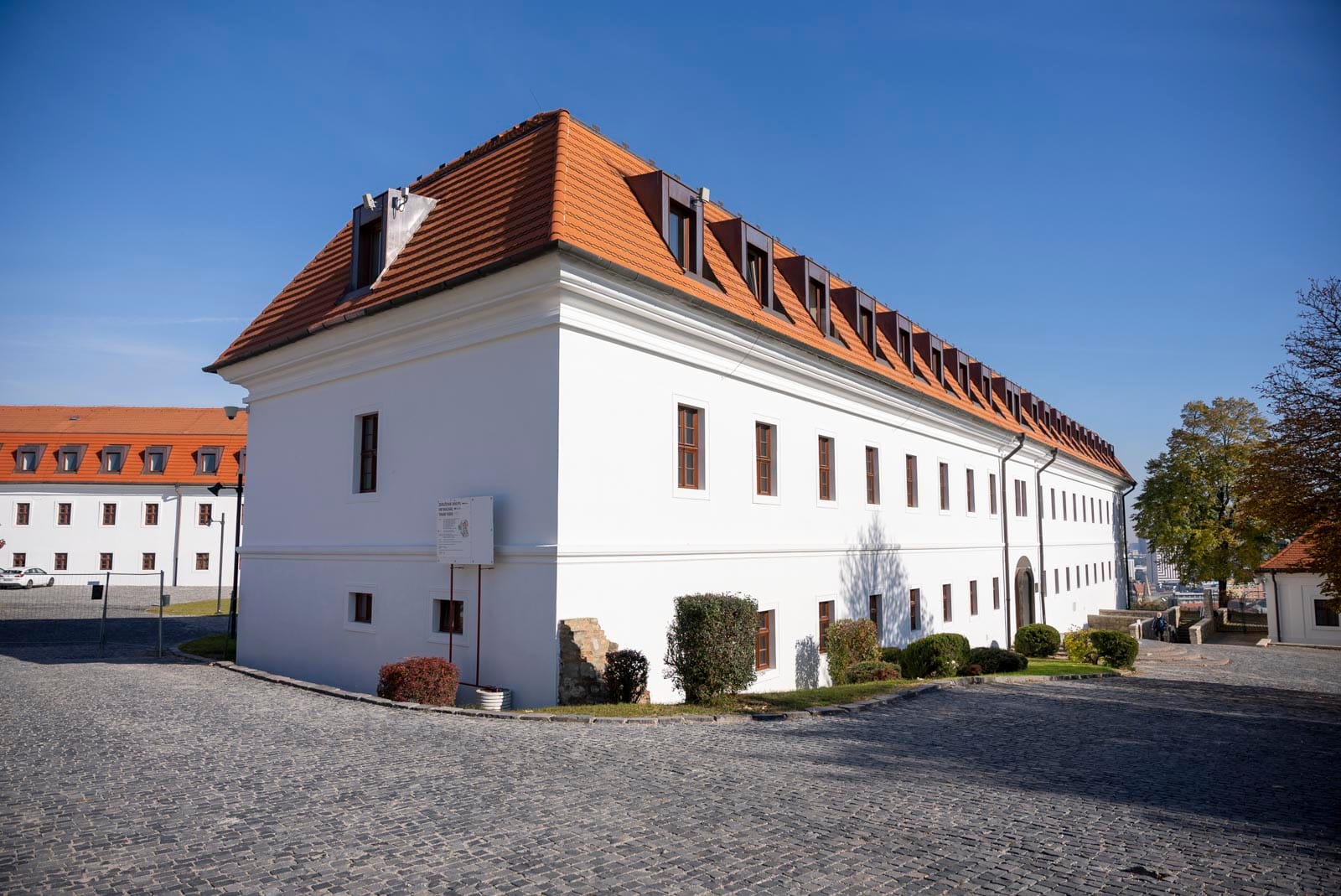
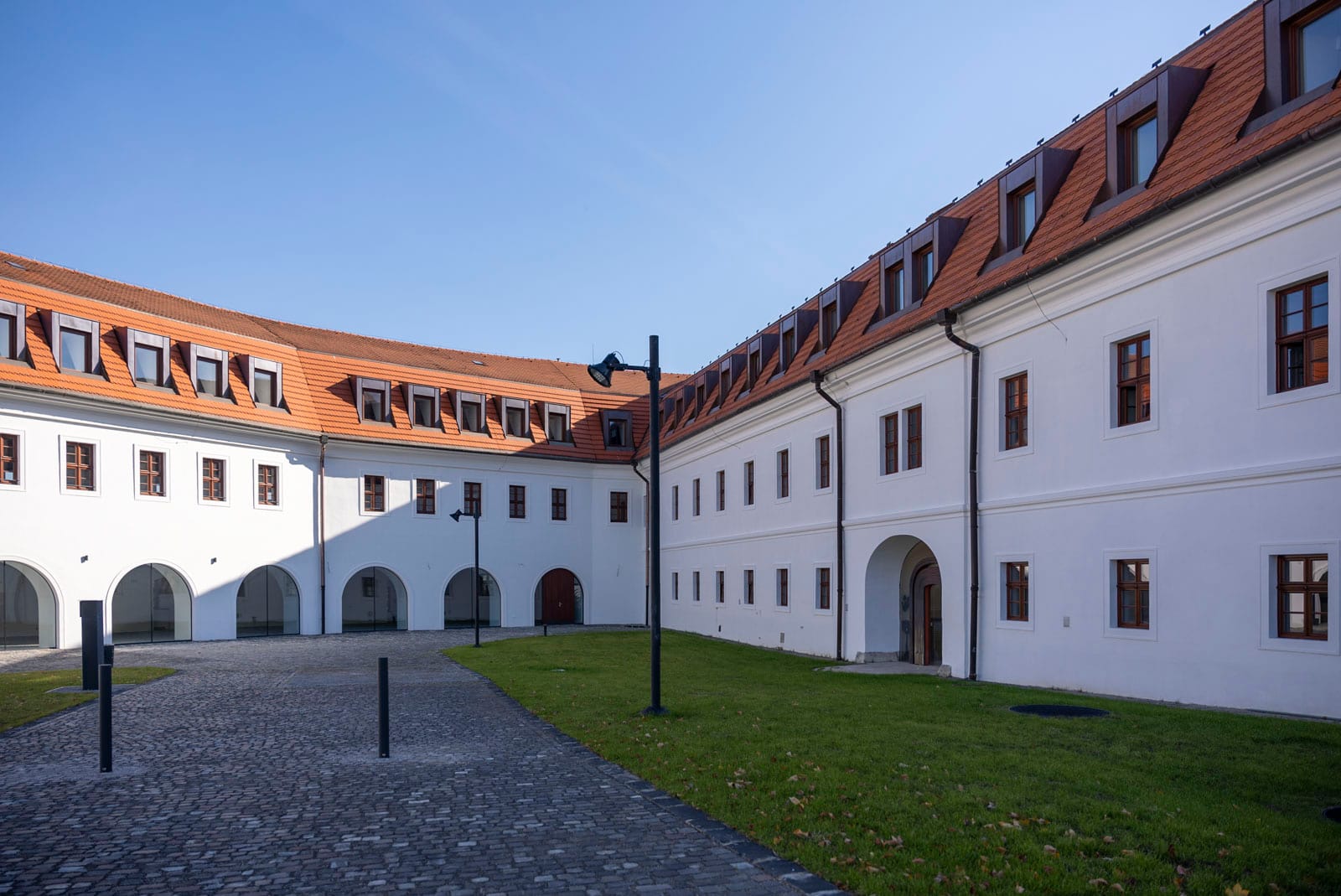
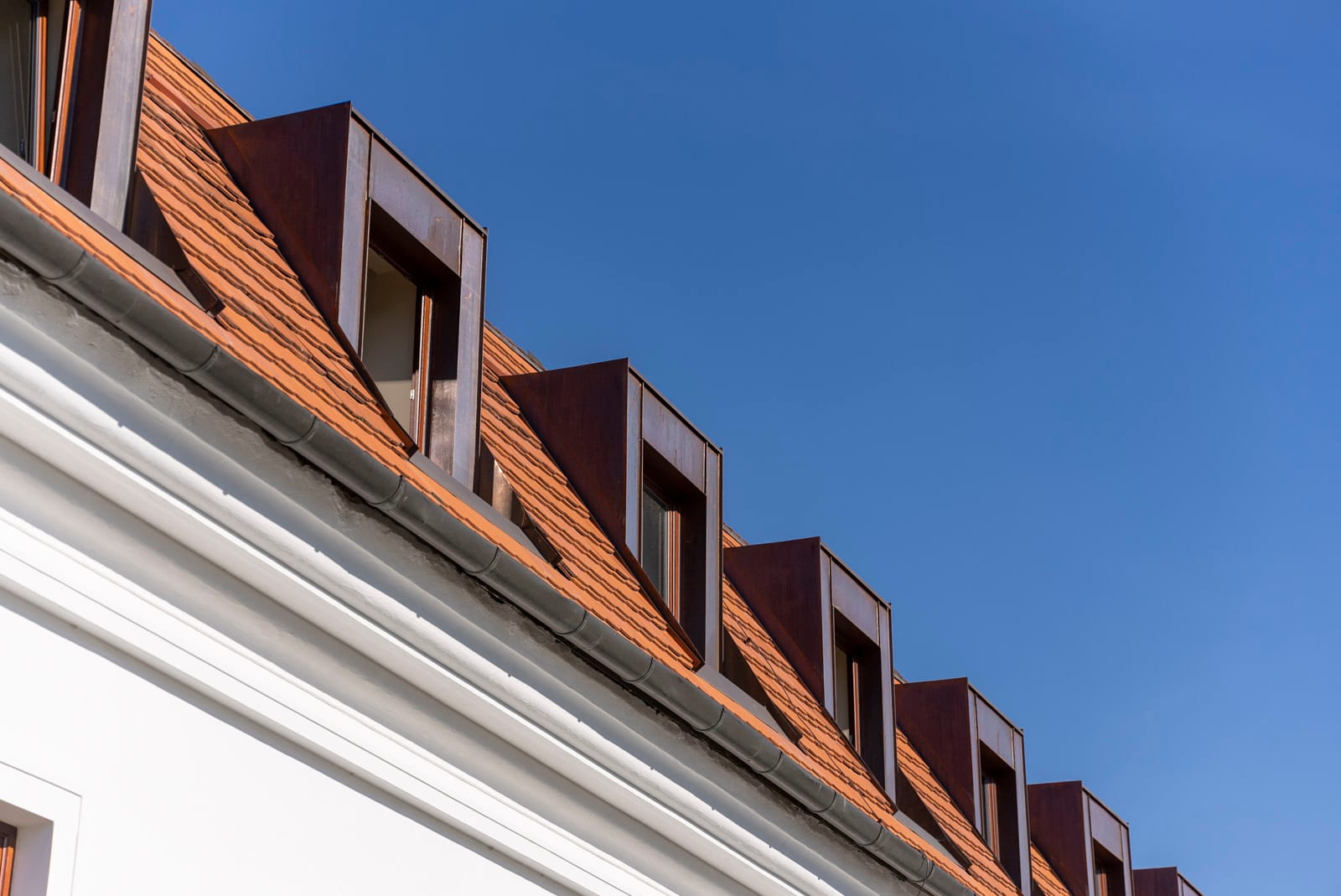
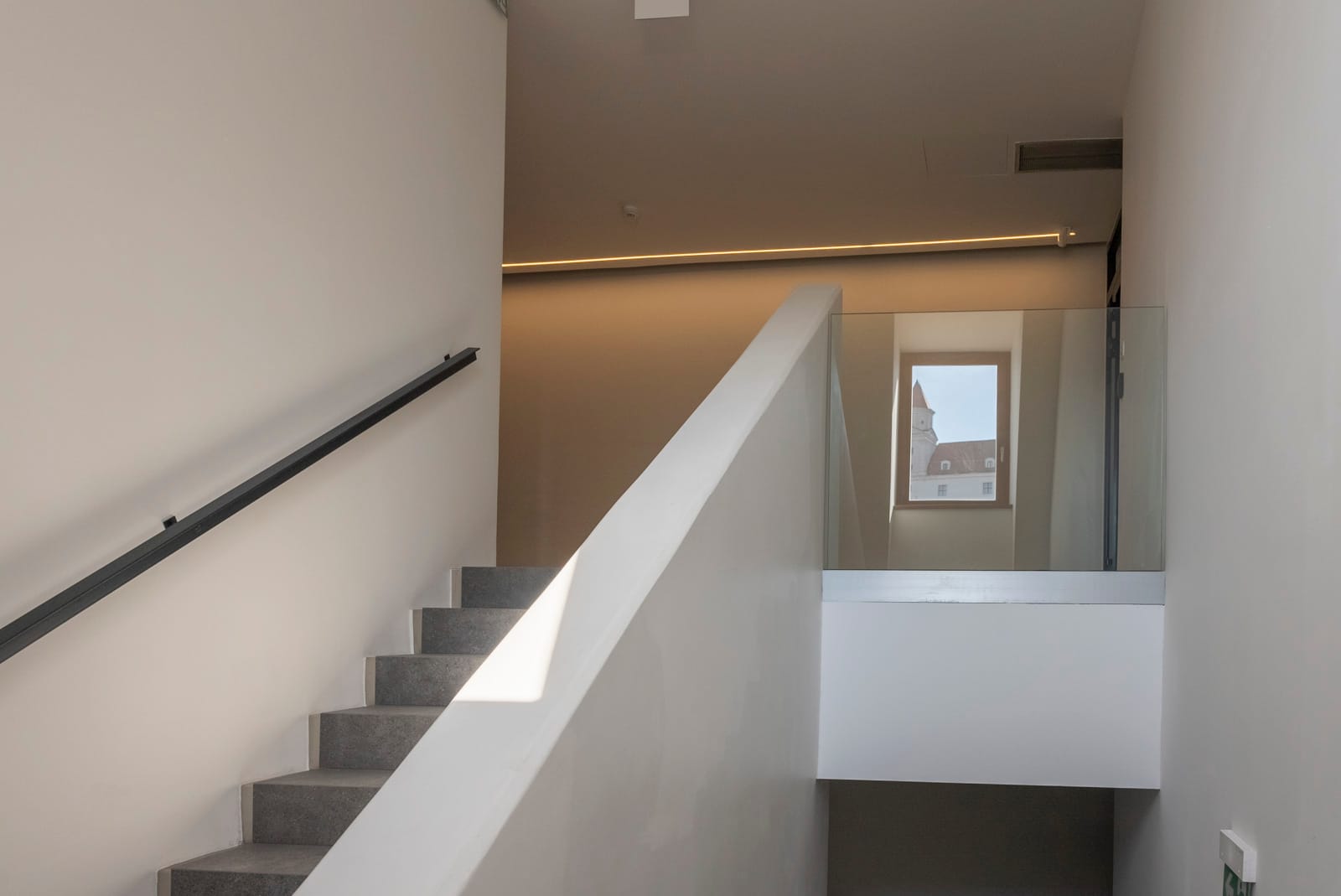
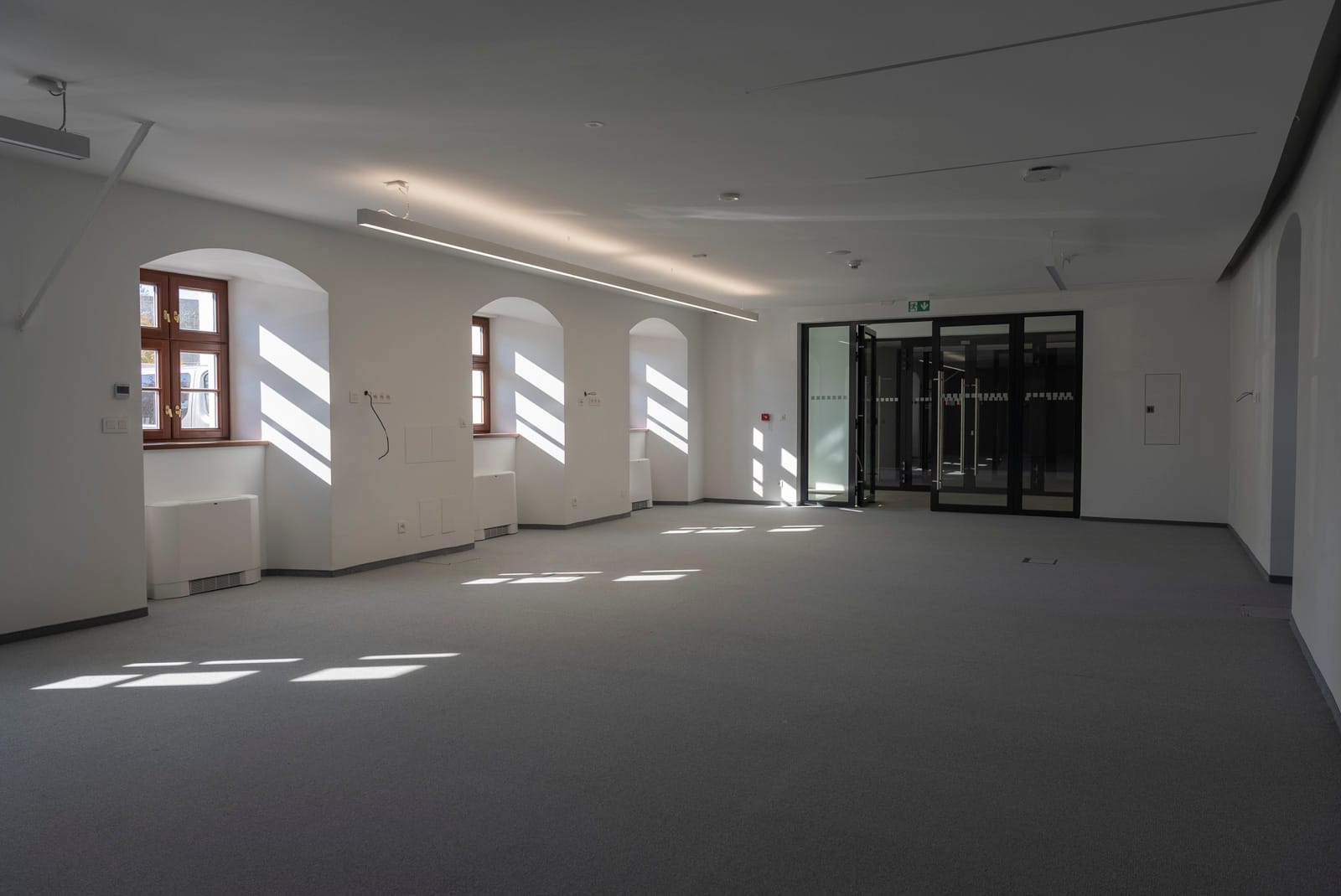
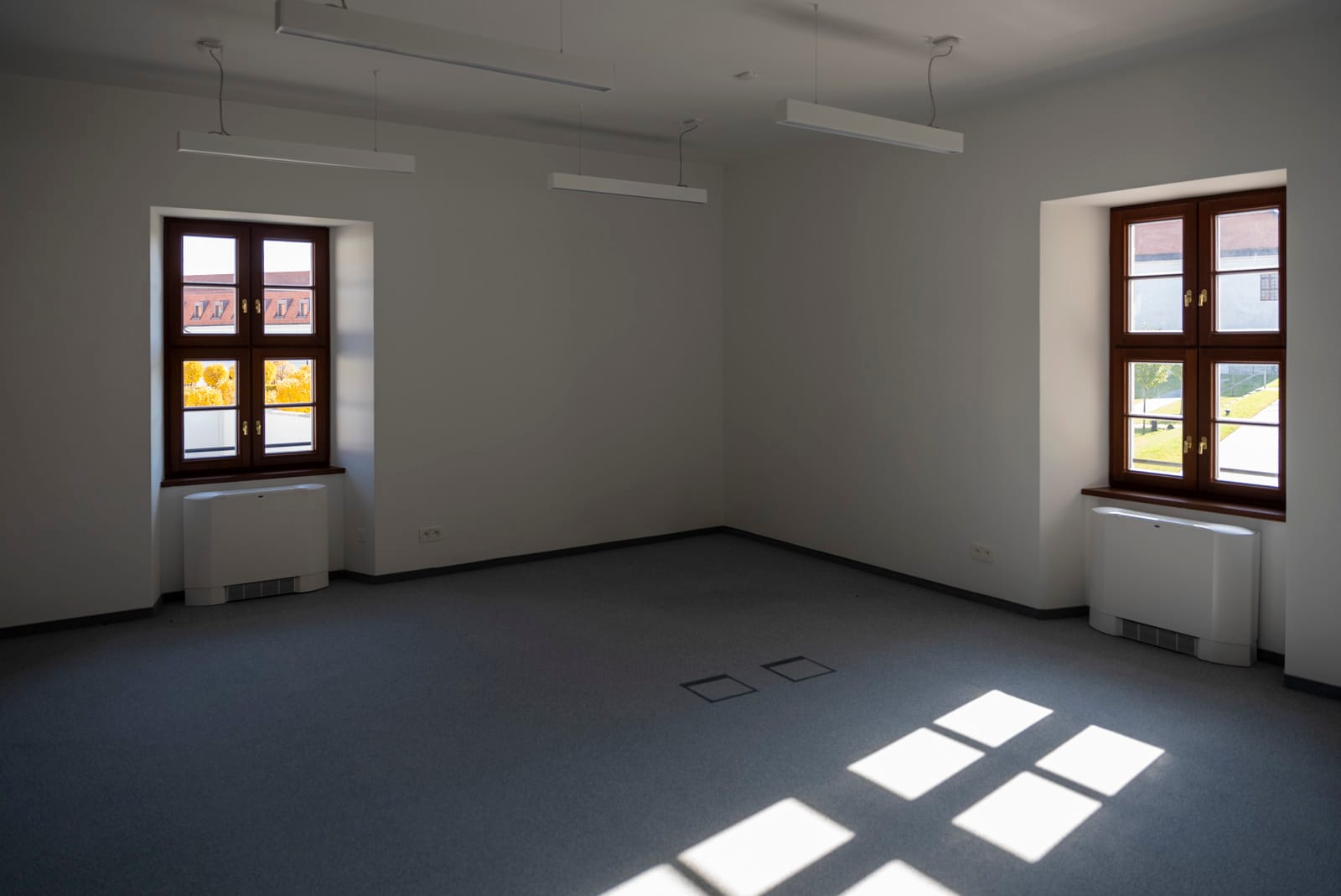
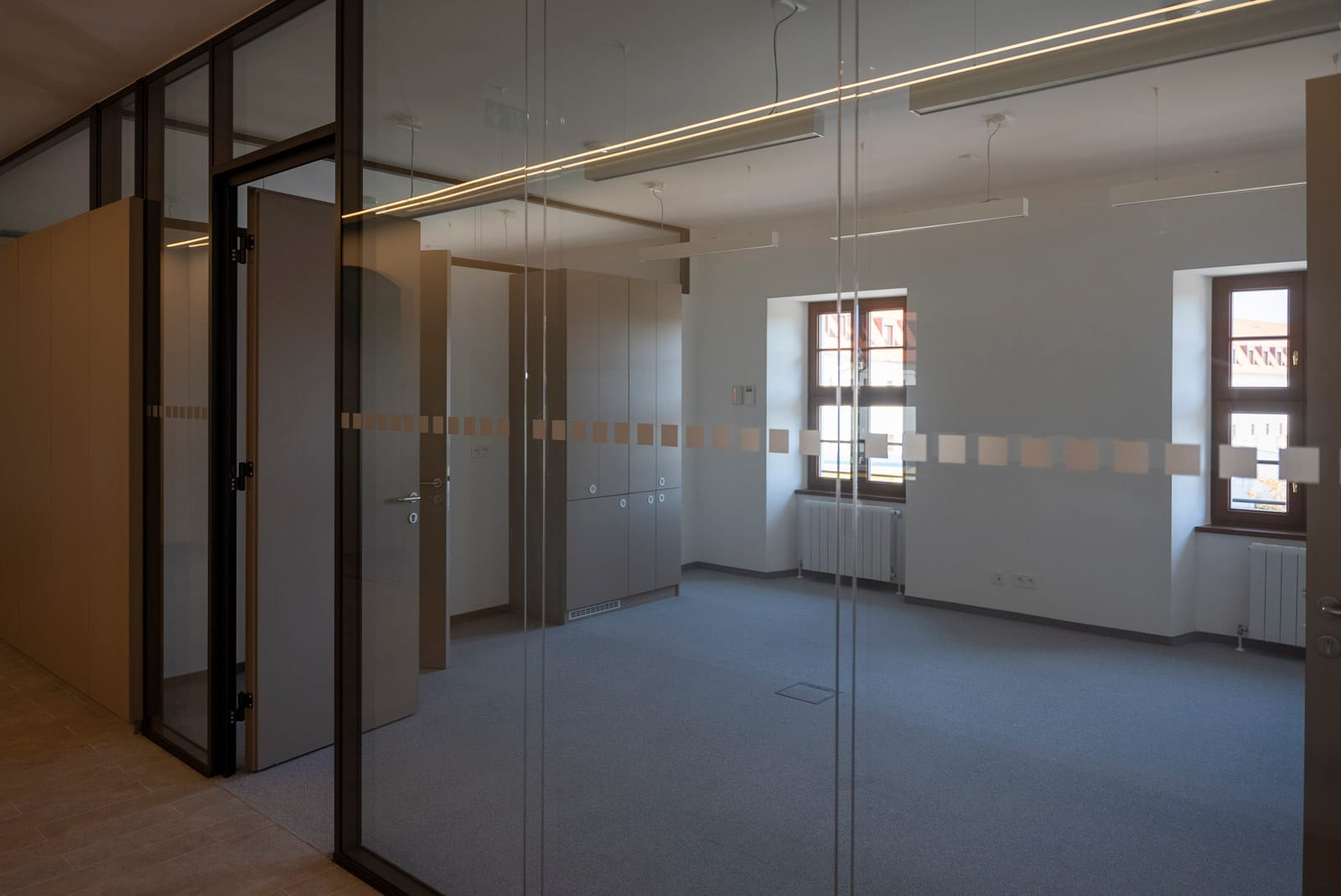
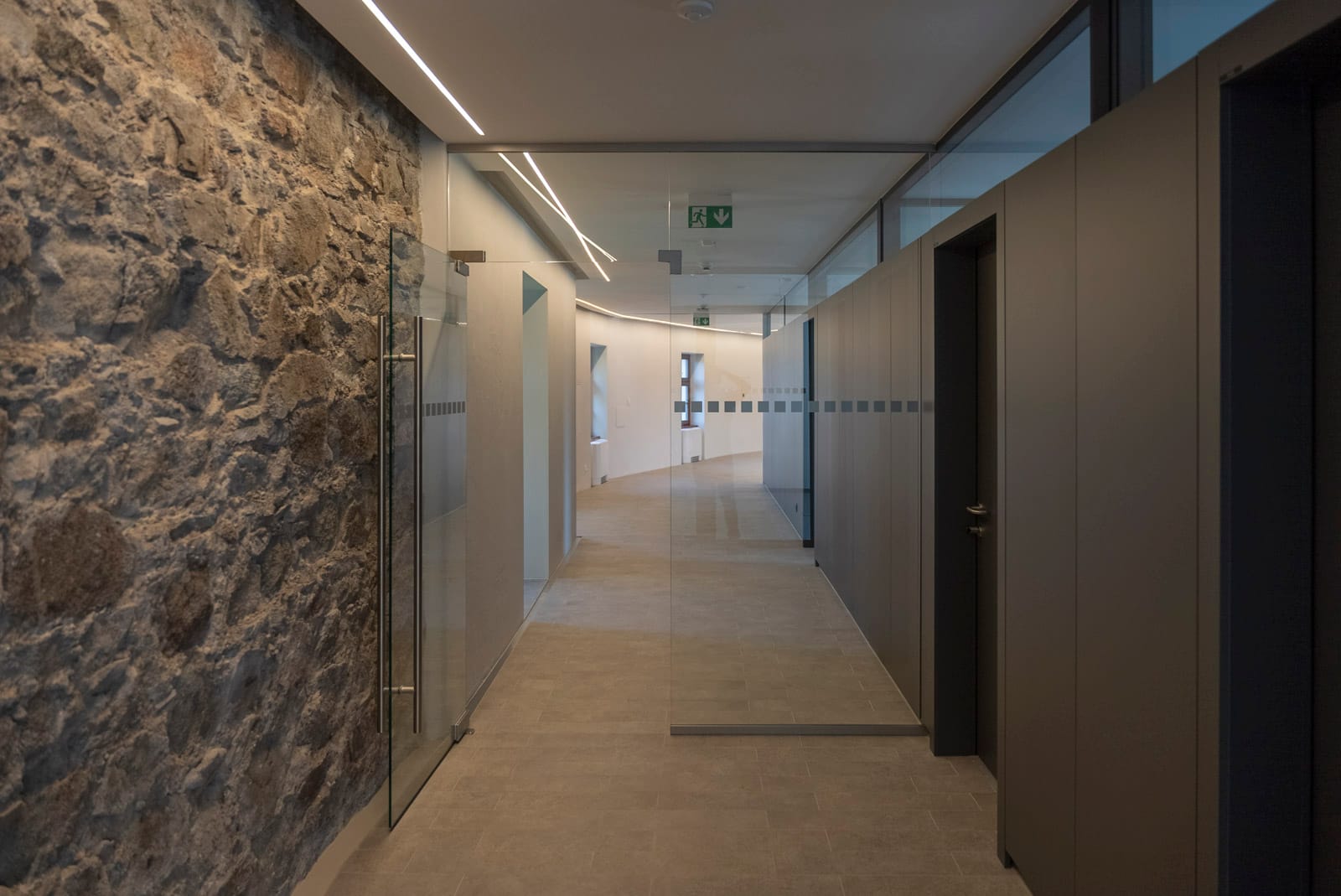
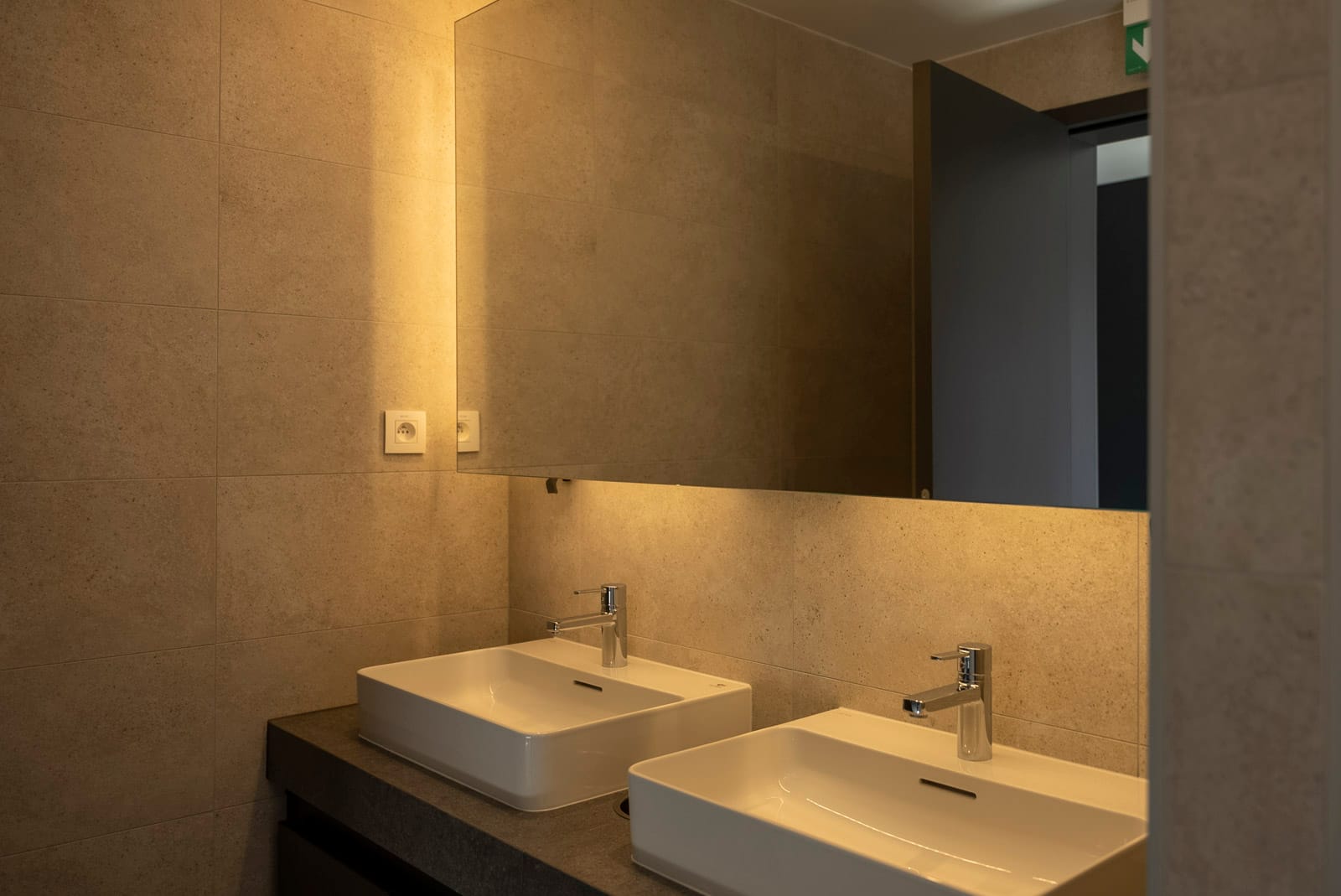
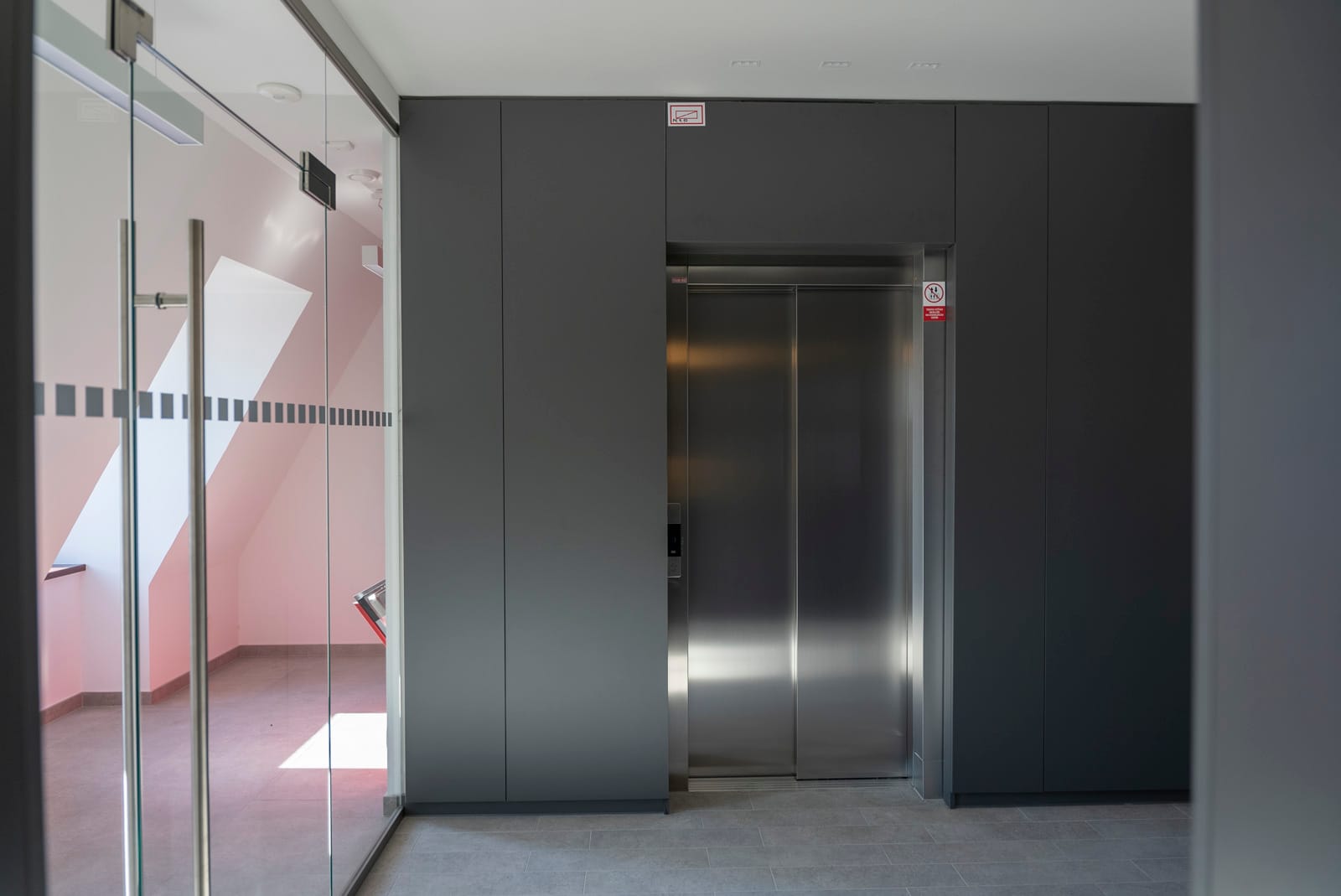
There is an originally baroque building along the medieval northwest wall, which was rebuilt into an administrative one in the 1950s. At present, both the offices of the National Council of the Slovak Republic and the Parliamentary Library are located in the building. The reconstruction mainly addresses the internal layout of the building and the completion of facilities for both employees of the National Council of the Slovak Republic and visitors. Some inappropriate elements from the past were eliminated during the reconstruction of the exterior. In particular, the shape of the dormers in the mansard roof was changed, or the window openings on the south façade were modified, which should help restore the original expression of the style. The addition of artificial stone and period patterns should also help get closer to the authentic look.
Leopold’s Courtyard
Even though Leopold’s Courtyard will remain essentially unchanged from the architectural point of view, some construction-technical problems had to be corrected during the reconstruction. A more significant change is the indicative reconstruction of the rest of the Gothic gate in the western part of the courtyard and the modification of the adjacent surfaces.
Sigismund’s Gate
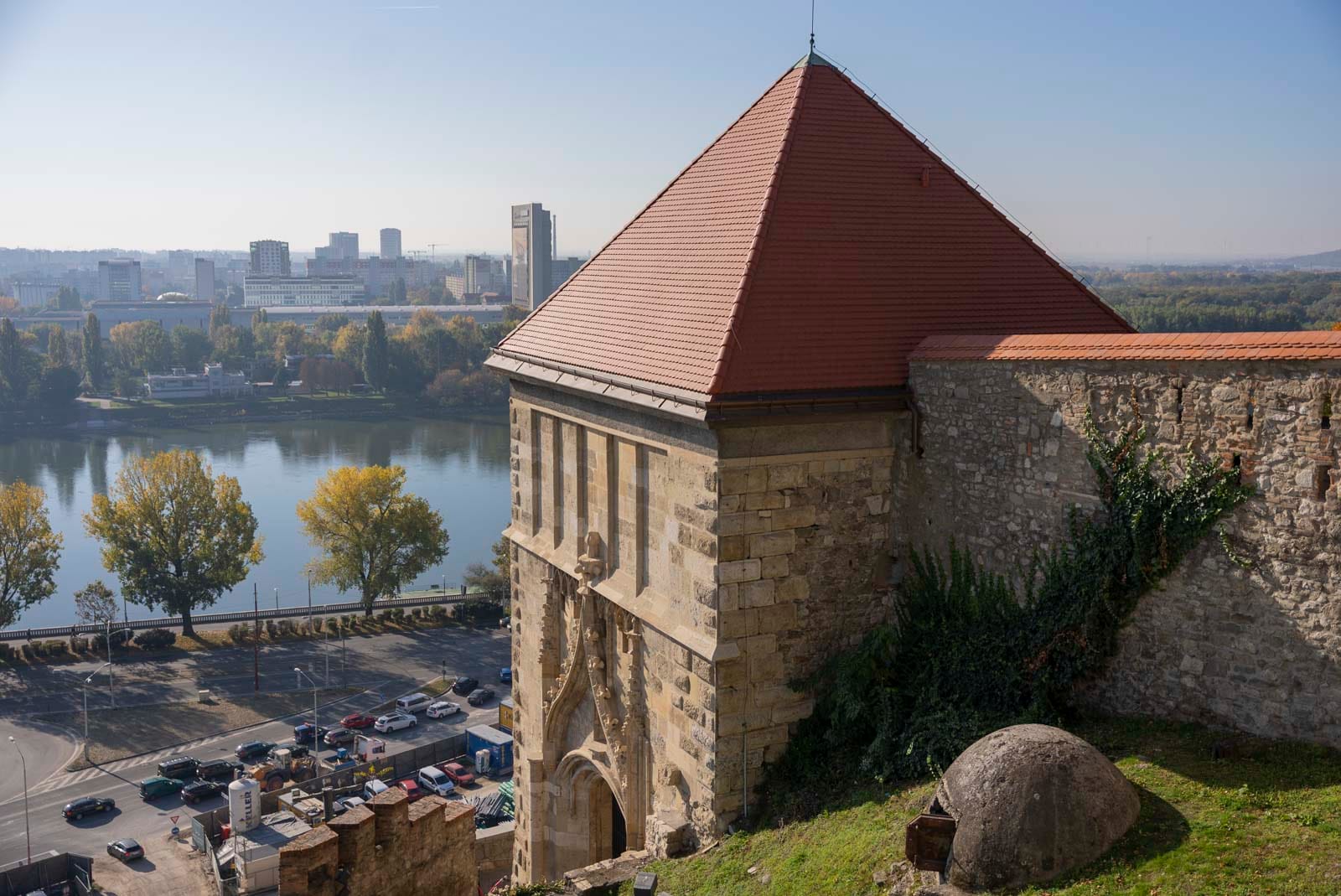
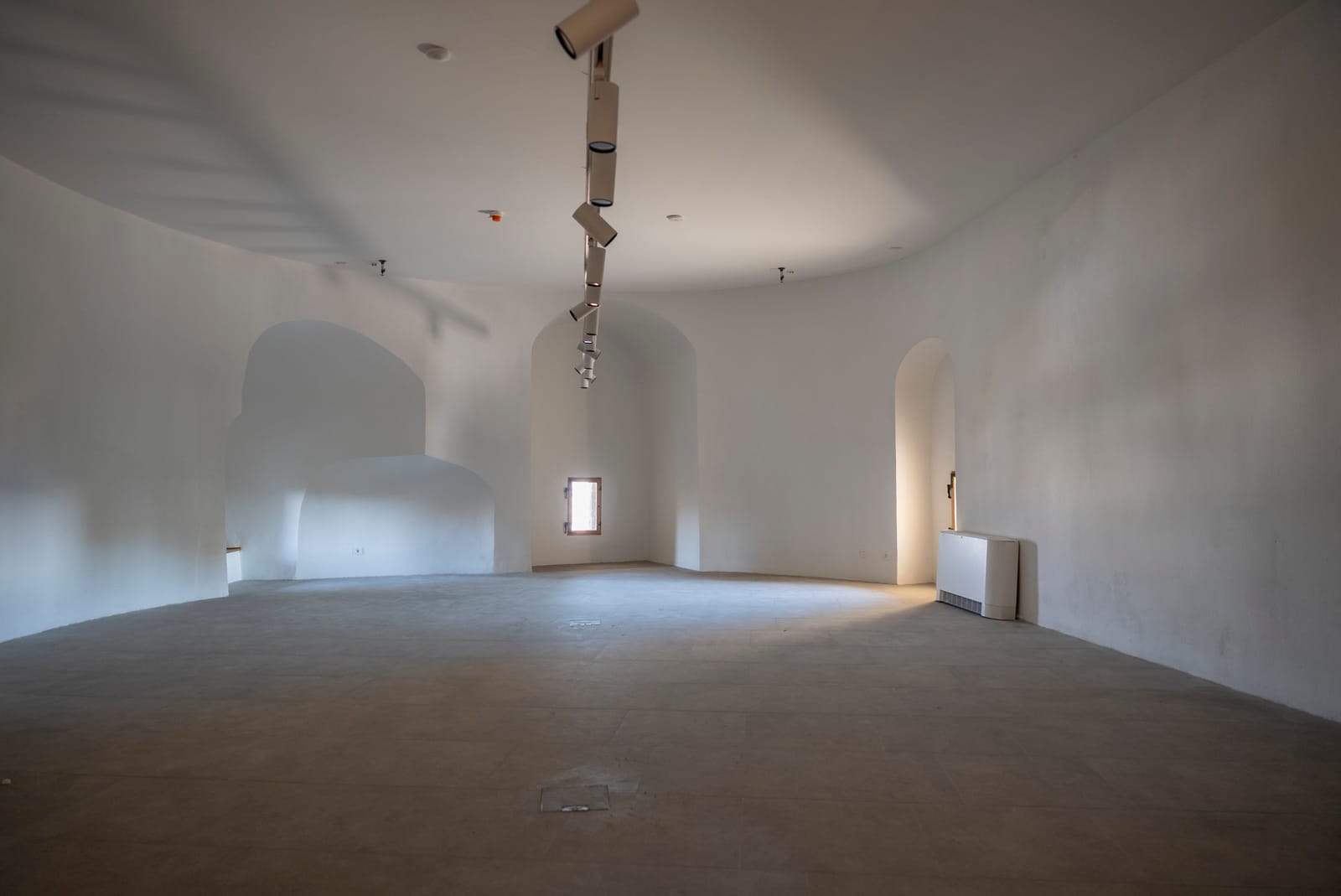
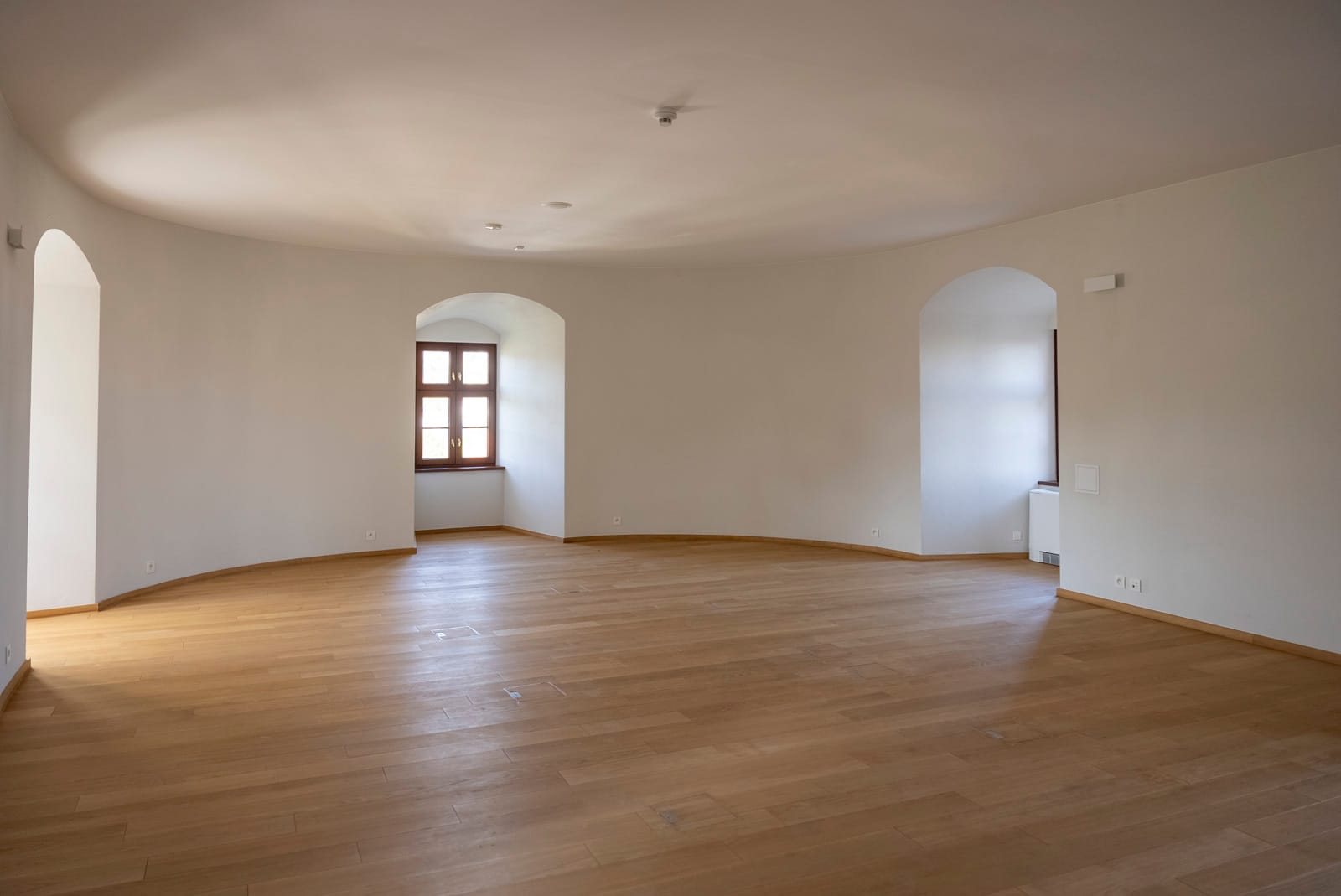
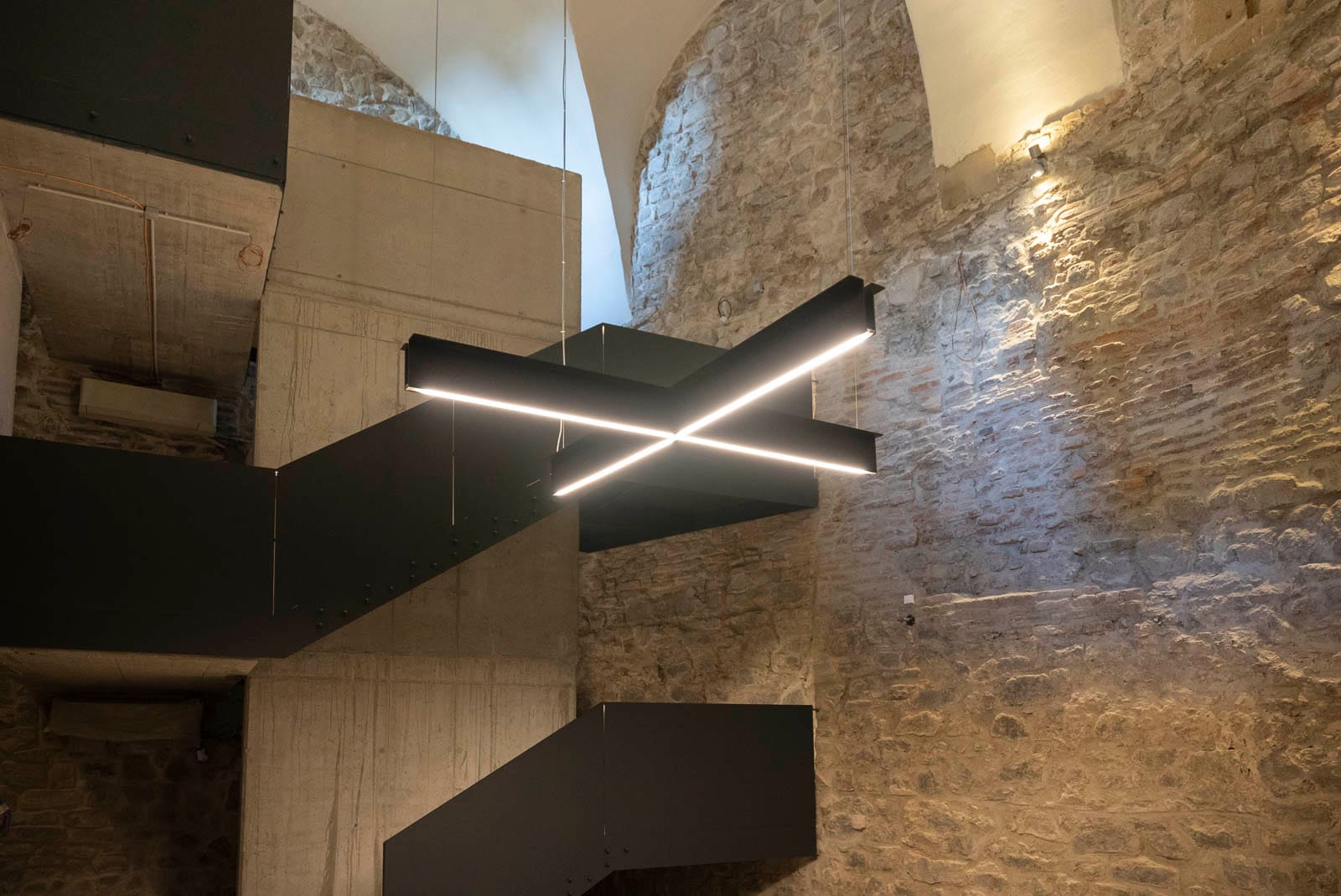
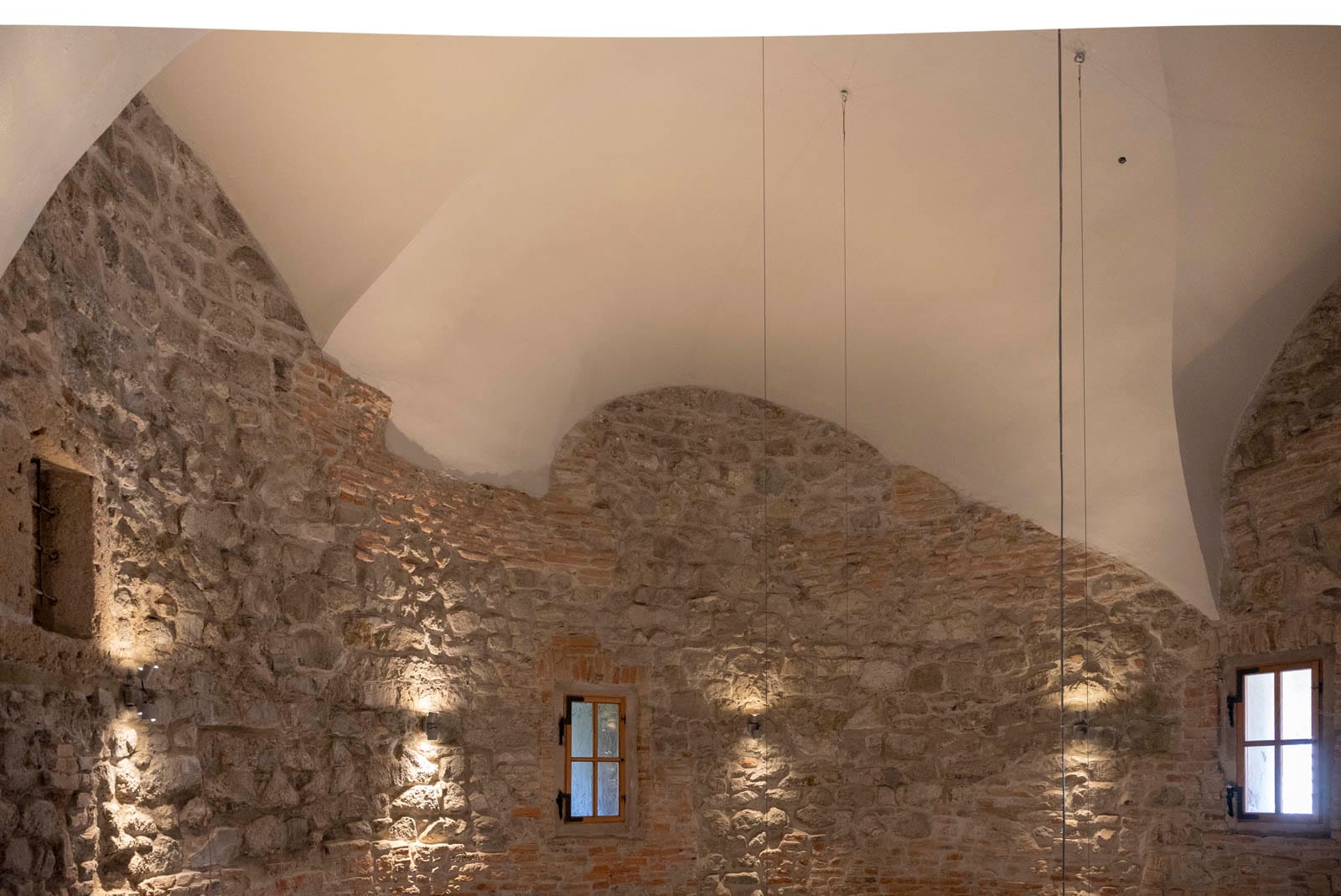
Sigismund’s Gate of Bratislava Castle is the only entirely preserved part of the castle fortifications from the 15th century. In the 19th century, it served as a guardhouse, which completely changed its Gothic character. After the reconstruction in 1989, part of the building was used as a cloakroom for the castle’s employees and offered a kitchen, in addition to bathrooms. Our goal was to restore the historic character of the building. Therefore, the ladder stairs were removed from the staircase, replacing them with new ones in their original shape. New wiring, plumbing in the interior, and ceramic roofing in the exterior were replaced. We also cleaned the original stone elements of the facade.
Lower Eastern Terrace
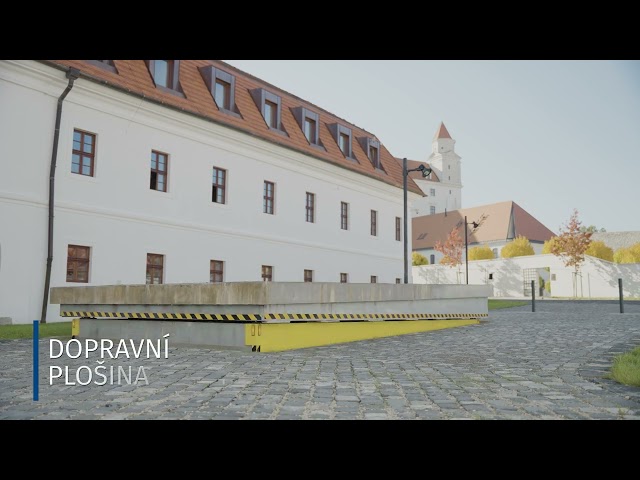
On the lower eastern terrace, it was necessary to mill the concrete cover of the embossed paving from the road along the entire length of the access road and replace it with stone paving. The structures of the existing sidewalks were also removed, and new pavement and playground surfaces were created. At the same time, we also built a new sewerage system and public lighting distribution.
History of the castle
The oldest surviving evidence of construction work on the castle hill dates back to the Roman Empire. It was then more continuously inhabited during the period of Great Moravia. The remains of sacral architecture on the upper eastern terraces or the remains of a residential building below the south-eastern corner of the palace have been preserved. The first key period for today’s appearance was the 15th century, where Sigismund of Luxembourg had his residence inspired by Italian architecture built on the site of an older castle from the 13th century. Most of the castle palace masonry has been preserved from this period, along with portals, framing of window openings, and a ribbed vault. One of the entrance gates known as Sigismund’s Gate has also been preserved. The second essential reconstruction was the early Baroque reconstruction of the palace in the first half of the 17th century. At that time, another floor was added, and the palace gained its characteristic silhouette with four turrets. At the end of the 17th century, Leopold Gate was built. The castle underwent its third and most significant reconstruction in the second half of the 18th century when Maria Theresa had it rebuilt into her seat. The well-known architect Hillebrandt was then responsible for rebuilding the entire castle grounds.














Do you need to solve a similar problem?
Our team of experts is here to help. Contact us today to find a solution tailored to your needs. Click the button below to schedule a free consultation!
Contact us